Understanding Different Types of CCTV Cameras and Their Uses
15 April 2025Closed-circuit television (CCTV) cameras play a crucial role in modern security systems, providing surveillance and protection for a wide range of environments. However, with various types of CCTV cameras available, it can be overwhelming to choose the right ones for your specific needs. In this article, we’ll explore the different types of CCTV cameras and their uses, helping you make informed decisions for your security setup.
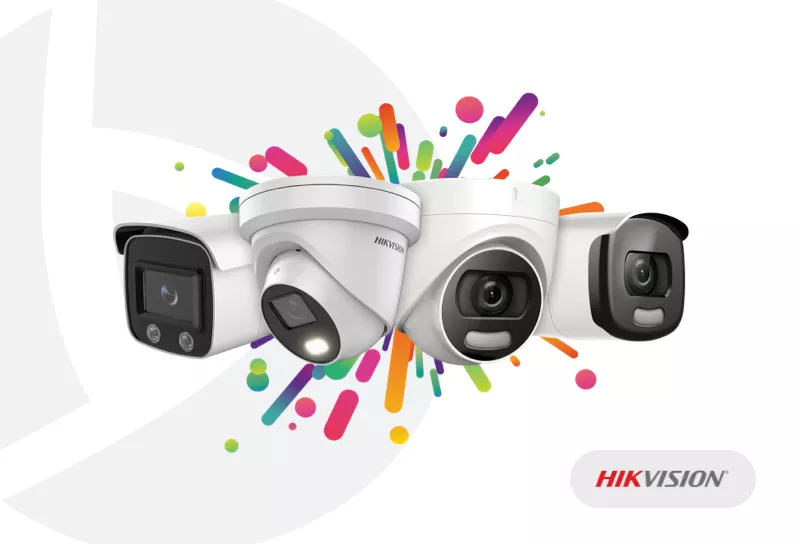
1. Dome Cameras: Dome cameras are versatile and popular due to their discreet design and wide coverage angle. They are commonly used in indoor settings like retail stores, offices, and hotels. The dome-shaped housing offers protection against vandalism and tampering, making them suitable for high-traffic areas.
2. Bullet Cameras: Bullet cameras are recognizable by their cylindrical shape and are often used for outdoor surveillance. They are weatherproof and can withstand harsh conditions, making them ideal for monitoring entrances, parking lots, and perimeters.
3. PTZ Cameras: Pan-tilt-zoom (PTZ) cameras provide flexibility by allowing users to control the camera’s movement remotely. They are commonly used in large areas like parking lots or open spaces where a single camera can cover a wide area. PTZ cameras can pan, tilt, and zoom to focus on specific objects or events.
4. Box Cameras: Box cameras are versatile and can be customized with different lenses for specific viewing angles. They are often used in situations where specific lens requirements are essential, such as license plate recognition or long-distance surveillance.
5. Fish-Eye Cameras: Fish-eye cameras provide a 360-degree view, eliminating blind spots. They are suitable for large open areas like shopping malls or warehouses, where comprehensive coverage is critical. The wide-angle view reduces the number of cameras needed for monitoring.
6. Thermal Cameras: Thermal cameras detect heat signatures, making them useful for detecting intruders in complete darkness or challenging weather conditions. They are commonly used for perimeter security and critical infrastructure protection.
7. ANPR Cameras: Automatic Number Plate Recognition (ANPR) cameras capture license plate numbers and are commonly used for access control and parking management. They are essential for monitoring vehicle entrances and exits in various locations.
8. Covert Cameras: Covert cameras are designed to be discreet and hidden, often resembling everyday objects. They are used for undercover operations or situations where overt surveillance might not be appropriate.
9. Wireless Cameras: Wireless cameras offer easy installation and flexibility in positioning. They are suitable for locations where running cables is challenging, such as historical buildings or temporary setups.
10. 360-Degree Cameras: Similar to fish-eye cameras, 360-degree cameras provide a comprehensive view but can also capture multiple angles simultaneously. They are useful for monitoring large areas while still maintaining detailed coverage.
Understanding the different types of CCTV cameras and their uses is essential for building an effective and tailored security system. Consider factors like location, environmental conditions, and specific surveillance requirements to select the cameras that best meet your needs. Whether you’re safeguarding your business, property, or personal space, choosing the right CCTV cameras enhances your security strategy and ensures comprehensive coverage.