Enhancing Workplace Safety with CCTV: Best Practices
13 May 2025Maintaining a safe and secure workplace is a top priority for businesses of all sizes. In today’s digital age, Closed-Circuit Television (CCTV) systems have become indispensable tools for enhancing workplace safety. These systems not only deter potential security threats but also provide valuable insights into daily operations. In this article, we’ll delve into the best practices for utilizing CCTV to create a safer work environment.
1. Strategic Camera Placement: Effective CCTV coverage begins with strategic camera placement. Identify high-traffic areas, entrances, exits, and blind spots within your premises. Placing cameras in these locations ensures comprehensive coverage and deters potential wrongdoers.
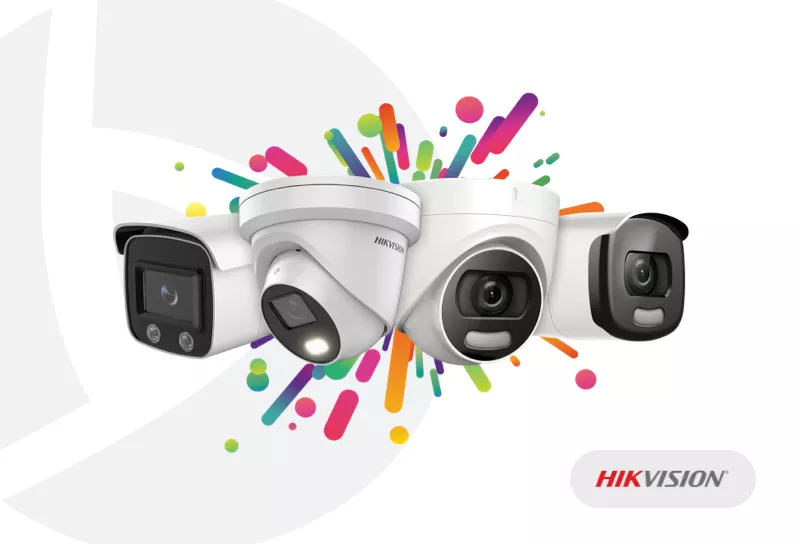
2. Comprehensive Coverage: A well-rounded security strategy involves comprehensive coverage. Install different types of cameras tailored to specific needs, such as dome cameras for indoor areas and bullet cameras for outdoor perimeters. This ensures that every corner of your workplace is under surveillance.
3. Employee Training: Educate employees about the presence of CCTV cameras and their role in enhancing safety. A clear understanding of the security measures in place promotes a sense of security and accountability among staff members.
4. Access Control Integration: Integrate your CCTV system with access control measures. Use CCTV to monitor and manage entrances, ensuring only authorized personnel enter restricted areas. This integration enhances security and prevents unauthorized access.
5. Remote Monitoring: Modern CCTV systems allow remote monitoring via smartphones or computers. This feature enables real-time surveillance even when you’re off-site. Remote monitoring helps you stay informed about activities and respond promptly to any security concerns.
6. Incident Investigation: CCTV footage serves as a valuable resource for incident investigation. In case of accidents, thefts, or disputes, reviewing the recorded footage can provide valuable evidence and insights, facilitating quicker resolution.
7. Regular Maintenance: Consistent maintenance of your CCTV system is crucial for its optimal performance. Ensure cameras are clean, lenses are clear, and cables are intact. Regular software updates also keep your system up-to-date and secure.
8. Privacy Considerations: While enhancing safety, it’s important to respect privacy. Place cameras only in public areas where there is no expectation of privacy. Communicate the presence of cameras to employees and visitors, maintaining transparency.
9. Storage and Retention Policies: Establish clear storage and retention policies for CCTV footage. Determine how long footage will be stored and how it will be securely managed. Adhering to legal requirements ensures you have access to relevant footage when needed.
10. Emergency Response Plan: Include your CCTV system in your workplace’s emergency response plan. In case of a security breach or emergency, the system can provide real-time information to guide the response efforts effectively.
In conclusion, using CCTV to enhance workplace safety is a multifaceted approach that requires careful planning and implementation. By strategically placing cameras, integrating systems, training employees, and maintaining equipment, you create a safer work environment that deters threats and provides peace of mind. Leveraging the power of modern technology, your business can foster a culture of safety and security that benefits everyone within your organization.